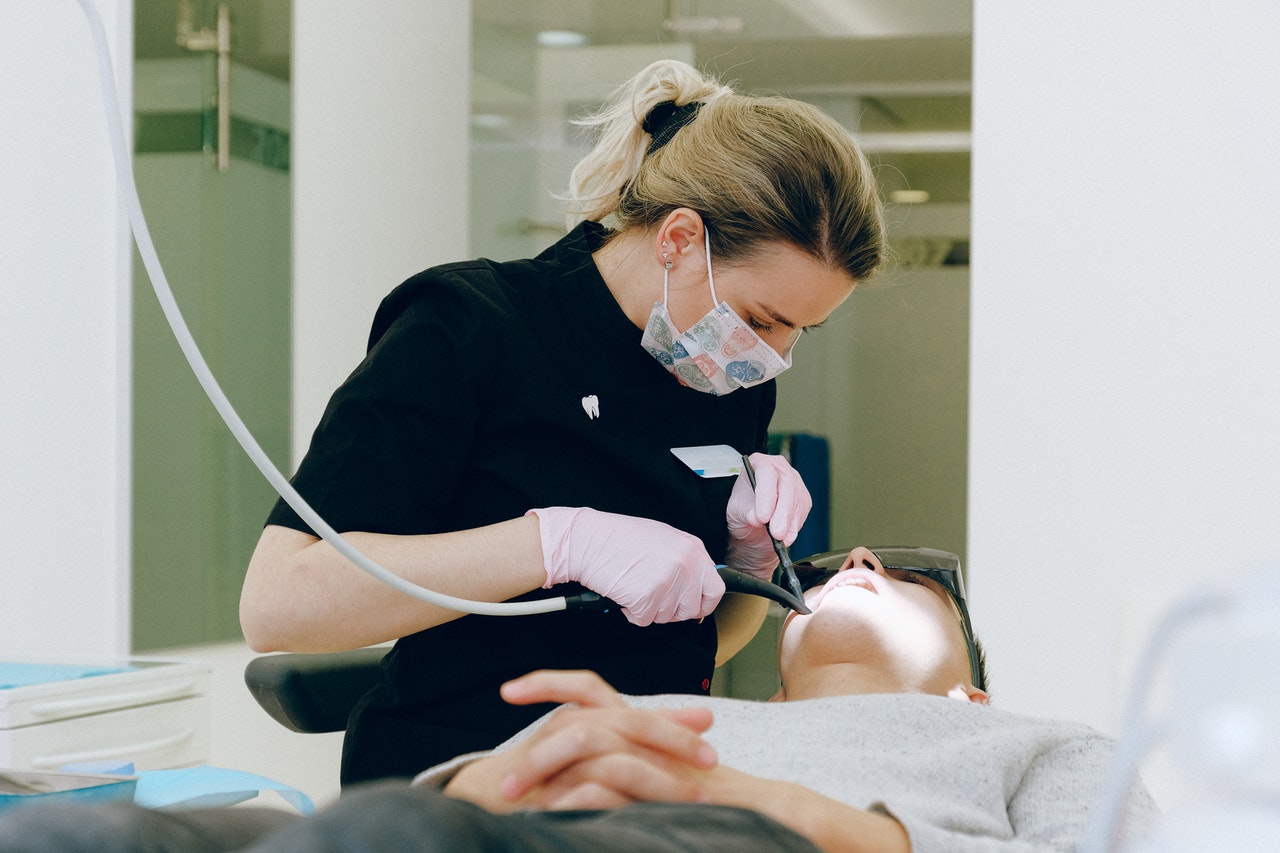
Modern dentistry is no longer limited to cleaning teeth and treating cavities. Many dental clinics today offer advanced cosmetic and facial treatments that improve both oral health and overall appearance. Botox and laser treatments are now becoming more common in dental practices because they can support both functional and aesthetic concerns.
People often associate Botox only with beauty treatments. However, dentists also use Botox for medical and dental-related purposes. It may help with jaw tension, teeth grinding, facial pain, and muscle-related conditions around the mouth and jaw area. At the same time, many patients appreciate the cosmetic benefits that improve facial balance and reduce visible signs of aging.
Laser treatments are also changing the dental field. Dental lasers can help treat gum issues, reduce discomfort during procedures, and improve healing time. Some clinics also use cosmetic laser technologies for skin rejuvenation and facial treatments around the mouth area.
The combination of health, dentistry, and aesthetics reflects a larger trend in healthcare. Patients today want treatments that improve both function and confidence. They are looking for safer, less invasive options that support overall wellness while also enhancing appearance.
Another reason for the growth of these treatments is convenience. Patients can often receive multiple services in one clinic visit instead of going to different specialists. This creates a more complete and personalized care experience.
As dental technology continues to improve, Botox and laser treatments Alpharetta are expected to become even more integrated into modern dental and wellness practices. Patients are increasingly interested in treatments that support comfort, appearance, and long-term oral health at the same time.
How Botox Is Used in Modern Dentistry
Botox is widely known for reducing wrinkles and fine lines, but it also has important medical and dental applications. Dentists who receive proper training may use Botox to help manage muscle-related conditions affecting the face and jaw.
One common use is for temporomandibular joint disorders, often called TMJ disorders. Patients with TMJ problems may experience jaw pain, headaches, facial tension, or difficulty chewing. Botox can help relax overactive muscles around the jaw, which may reduce discomfort and tension.
Teeth grinding, also called bruxism, is another issue that Botox may help address. Many people grind their teeth during sleep due to stress or muscle tension. Over time, this can damage teeth and create jaw pain. Botox may help relax the muscles responsible for excessive grinding.
Some dentists also use Botox to improve smile aesthetics. In certain cases, Botox can help reduce a gummy smile by relaxing upper lip muscles that expose too much gum tissue when smiling. This creates a more balanced appearance without surgery.
Patients are also interested in cosmetic benefits. Since dentists already work closely with facial structure and symmetry, many clinics now include aesthetic Botox treatments as part of broader facial care services. Patients appreciate the convenience of receiving both dental and facial aesthetic care in one location.
Safety remains very important. Botox treatments should only be performed by properly trained professionals who understand facial anatomy and patient evaluation. Responsible providers focus on natural-looking results and personalized treatment plans.
The Role of Laser Treatments in Dental and Facial Care
Laser technology has transformed many parts of healthcare, including dentistry and aesthetic medicine. Dental lasers are used in various procedures because they can improve precision, reduce discomfort, and support faster healing.
One common use for dental lasers is gum treatment. Lasers can help remove infected tissue and support gum health during periodontal procedures. Compared to some traditional methods, laser treatments may involve less bleeding and shorter recovery times.
Lasers are also used for cavity treatment and soft tissue procedures inside the mouth. Some patients prefer laser dentistry because it can reduce the need for drills or minimize discomfort during treatment. This may help reduce anxiety for people who feel nervous about dental visits.
Cosmetic laser treatments are also becoming popular in clinics that combine dentistry and aesthetics. These procedures may help improve skin texture, pigmentation, acne scars, and fine lines around the mouth and face. Patients often seek these treatments as part of broader facial rejuvenation plans.
Another advantage of laser treatments is precision. Modern laser systems allow providers to target specific areas without affecting surrounding tissue as much as older techniques. This can support more controlled treatment and recovery.
Many patients also appreciate the minimally invasive nature of laser procedures. Compared to surgery, laser treatments often involve less downtime and quicker return to normal activities. This makes them appealing for busy individuals who want effective but manageable treatments.
Technology continues to improve laser safety and effectiveness. Clinics now use different types of lasers depending on the patient’s condition, skin type, and treatment goals. Personalized care helps improve outcomes while reducing risks.
Why Patients Are Choosing Combined Dental and Aesthetic Care
The connection between oral health and facial appearance has become more recognized in recent years. Patients understand that the smile, jawline, skin, and facial balance all contribute to overall confidence and wellness.
One reason combined care is growing is convenience. Patients prefer receiving multiple services in one professional setting rather than scheduling appointments with different providers. Dental clinics that offer Botox and laser treatments provide a more complete care experience.
Another factor is preventive wellness. Patients are seeking treatments earlier instead of waiting for severe discomfort or visible aging. Botox may help manage muscle tension before it causes more serious grinding damage, while laser treatments can support healthier gums and skin maintenance.
Confidence also plays an important role. Dental and facial treatments can improve how patients feel about their appearance and social interactions. Many individuals report feeling more comfortable smiling and speaking after cosmetic or restorative procedures.
Social media and increased awareness have also influenced patient interest. People now have easier access to information about aesthetic dentistry and non-invasive treatments. However, professional consultation remains essential because not every treatment is suitable for every patient.
The future of dental aesthetics will likely continue focusing on personalized and minimally invasive care. Patients increasingly value treatments that improve oral health, facial comfort, and appearance while supporting long-term wellness goals.
Continue reading

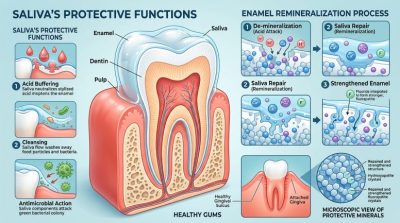 Bacteria make acids after eating, which can compromise the tooth’s enamel. Saliva acts as a buffer to protect the tooth from getting affected by acids. It protects the tooth from getting damaged, hence reducing tooth decay.
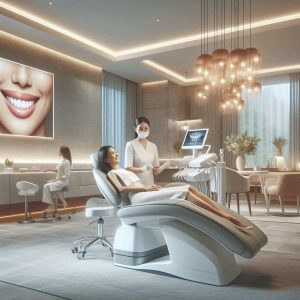 Modern dentistry is no longer limited to cleaning teeth and treating cavities. Many dental clinics today offer advanced cosmetic and facial treatments that improve both oral health and overall appearance. Botox and laser treatments are now becoming more common in dental practices because they can support both functional and aesthetic concerns.

 If you struggle with sleep, you’re not alone. Millions of people have a hard time falling asleep, staying asleep, or
  Furthermore, closely related to mental well-being is oral health. Anxiety and depression, among other disorders, can influence oral hygiene practices, which results in dental problems. Conversely, the stress of dental operations or persistent oral pain might aggravate already-present mental health problems.
 Xylitol is a natural sweetener that can stop bacterial growth and boost salivation production. Search for mints or gum with xylitol-sweeteners.
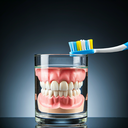 Although they are sometimes connected with anxiety and suffering, root canals are a routine dental operation that helps a tooth to be saved from extraction. A root canal is required to remove the infected tissue and seal the tooth to stop more issues when the nerve or pulp of a tooth gets infected or damaged. Still, the operation itself may cause discomfort and agony sometimes.
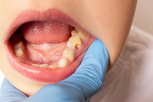 Small chips in front teeth are often repaired with dental bonding.
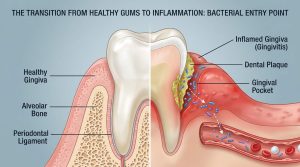
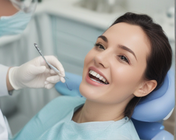 Gum health may not be the first thing that comes to mind when caring for your toddler, but it is crucial to their general well-being. The mildest gum disease, gingivitis, is frequent in young children. Even though it can be prevented and treated, knowing the warning signs can help you catch it early.


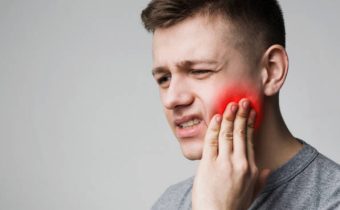


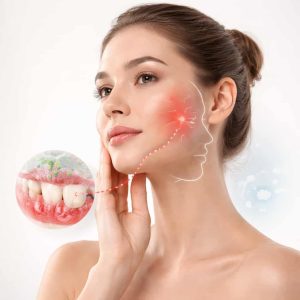 Cosmetic procedures are often carefully planned. People prepare their schedules, follow pre-op instructions, and focus on skincare. But there’s one factor that’s easy to overlook:
  Every year, hundreds of immigrant dentists enter the United States with a single goal, to build a career that helps others smile confidently. These skilled professionals restore teeth, boost self-esteem, and contribute to the nation’s growing healthcare system. Yet behind the polished smiles and busy clinics lies a quiet struggle many of them share, the legal challenge of securing U.S. citizenship while maintaining their demanding professional lives.

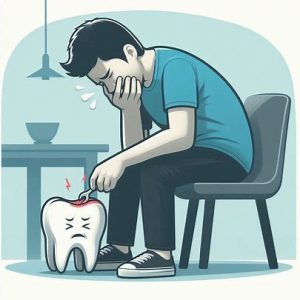 Oral health affects metabolism more than many realize. Chronic gum disease, cavities, and tooth decay can cause inflammation throughout the body. Inflammation disrupts metabolic processes, slowing the body’s ability to burn fat efficiently. Additionally, infections in the gums can lead to insulin resistance, a major factor in weight gain.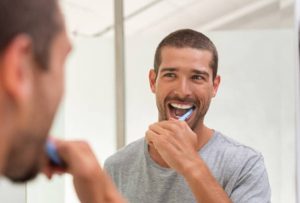

 Women’s health is more than just physical fitness; it includes mental, emotional, and dental wellness. Often, we focus solely on traditional healthcare routines, overlooking the impact that stress and self-care have on our entire body, including our teeth. Incorporating tools like vibrators into a self-care routine not only supports sexual wellness but also influences other areas of health, such as dental health. A surprising connection exists between reducing stress through sexual wellness and improving dental outcomes.


 Among the hallucinogens that said to have effects on oral health are LSD, ecstacy, and Magic Mushrooms. These are stimulants that work on increasing the activity and energy level. As part of our research about these effects of those drugs, J’achète mes champignons hallucinogènes en ligne Montréal et Québec chez Sunsetcity.









 Costly treatments and the high cost of medications, especially in the underprivileged sectors and underserved areas, have caused the prevalence of
  It can even be greater in Indian households faced with catastrophic medical expenditure even for both in-patient and out-patient hospital services.